
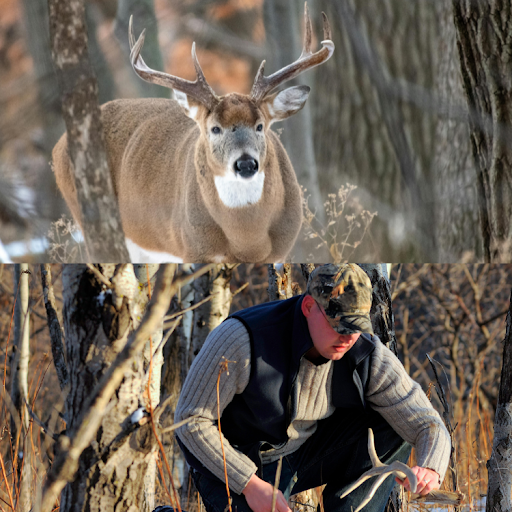
Out in the field, the moment you harvest a trophy is filled with adrenaline, pride, and respect for the animal, but what happens next is just as important as the hunt itself. Many hunters don’t realize that from the second the animal hits the ground, a silent clock begins ticking. Heat, moisture, and time immediately start working against you, affecting the condition of your trophy long before it ever reaches the taxidermist. Whether it’s a sudden spike in temperature or a delay in proper care, these factors can mean the difference between a flawless mount and irreversible damage. Understanding how weather and time impact your trophy is the key to preserving not just the animal, but the memory behind the hunt.
Weather conditions play a major role in how quickly a trophy can deteriorate. In warmer temperatures, bacteria multiply rapidly, causing decomposition and increasing the risk of hair slip and spoilage. High humidity or wet conditions, whether from rain, snow, or damp environments, can introduce excess moisture, leading to mold, rot, and further damage to the hide. While colder weather can help slow this process, it can also create a false sense of security, causing hunters to delay proper care. No matter the season, exposure to the elements directly affects the trophy's quality and determines the urgency of action.
Time is just as critical as weather, and the two often work hand in hand. From the moment of harvest, bacteria immediately begin breaking down tissue, which can quickly ruin a trophy if not handled properly. That’s why professionals like Tim Knight's Taxidermy emphasize the importance of quick action cooling, skinning, and properly storing your animal as soon as possible. In fact, bacterial growth starts immediately after the animal expires, making delays especially risky in warm conditions. Even a few hours can make a noticeable difference in the final result, which is why treating time as your biggest enemy in the field is essential.
Ultimately, preserving your trophy comes down to preparation and awareness. Taking simple yet crucial steps, such as cooling the animal quickly, keeping it dry, minimizing sun exposure, and getting it to your taxidermist as soon as possible, can ensure a high-quality, long-lasting mount. Communication with your taxidermist can also help you understand the best handling practices for your specific situation. At the end of the day, a successful hunt isn’t just about the harvest; it’s about preserving the memory and giving your trophy the care it deserves from field to finish